Why Do New Brakes Squeal?
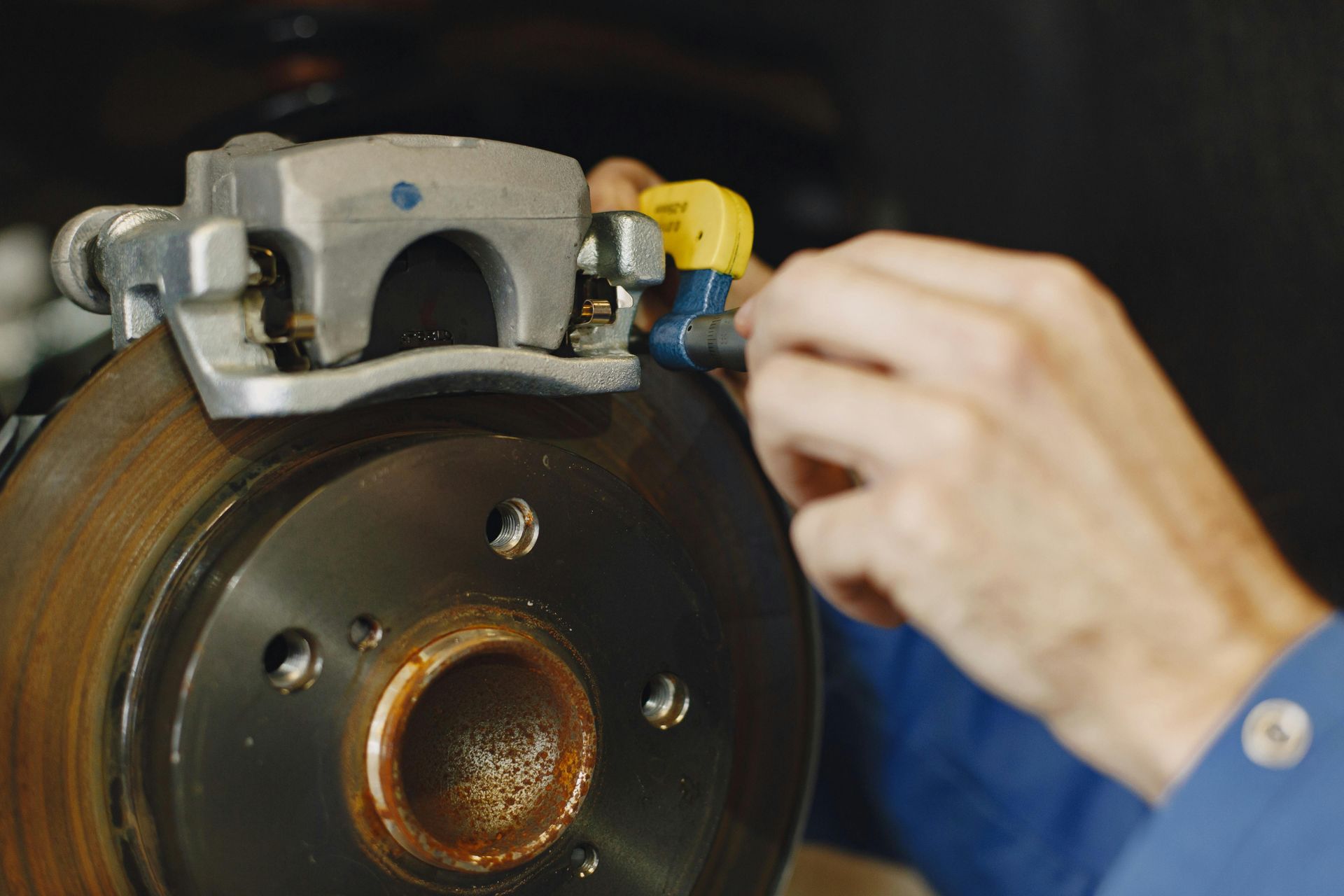
New brakes often squeal because the brake pads and rotors are still breaking in and avoiding making full, even contact with each other. During this initial period, vibrations can occur when the pads press against the rotors, and those vibrations are what create the high‑pitched squealing sound many drivers notice. In most cases, this noise is normal and temporary, especially within the first few hundred miles after a brake replacement. There are other factors that can cause squealing brakes, which we detail below.
Brakes Need Time to Break In
One of the most common causes of squealing with new brakes is the break‑in (bedding) process. Brake pads are designed to transfer a thin layer of friction material onto the rotor surface. Until this layer forms evenly, the pads may grip inconsistently, creating vibration and noise. Proper bedding, which usually involves a series of controlled stops, helps the pads and rotors mate correctly and reduces squealing over time.
Brake pad Types
Another reason new brakes may squeal is the type of brake pads used. Performance‑oriented, ceramic, or semi‑metallic brake pads often produce more noise than softer organic pads. These materials are designed to handle higher temperatures and last longer, but they can be noisier, particularly at low speeds or during light braking. Even though the sound can be annoying, it doesn’t necessarily indicate a problem with braking performance or safety.
Installation Aspects
Installation factors can also contribute to brake squeal. If anti‑squeal shims, hardware clips, or brake grease are missing or improperly applied, vibrations can travel through the brake system and create noise. Additionally, if the rotors were not resurfaced or replaced when new pads were installed, uneven or glazed rotor surfaces can cause squealing despite brand‑new components.
Local Environment
Environmental conditions may play a role as well. Cold weather, moisture, and humidity can cause temporary squealing, especially during the first few stops of the day. Overnight moisture can form a light layer of surface rust on the rotors, and as the pads sweep it away, noise may occur until the brakes warm up and dry out.
Ongoing Brake Squeal
While some brake noise is normal, persistent squealing should not be ignored. If the sound continues after several hundred miles, gets louder, or is accompanied by grinding, vibration, or reduced braking performance, it’s a good idea to have the brakes inspected. In those cases, the issue may involve pad quality, improper installation, or worn or damaged components.
Most of the time, the noise fades as the brakes settle in. If it doesn’t, bring your vehicle by our shop in Moore, SC and we'll ensure your braking system is working safely and quietly.
Address: 205A Smith Rd, Moore, SC 29369
Phone:
(864) 486-8889