Why Do Brakes Squeal? Common Causes, What It Means, & When to Worry
Few car noises grab your attention like squealing brakes. That high‑pitched screech can be embarrassing in a parking lot and concerning on the road. While brake squeal is common and not always a sign of serious trouble, it’s important to understand why it happens, what your vehicle may be telling you, and when it’s time to have your brakes inspected.
Below, we’ll break down the most common reasons brakes squeal, what’s normal, what’s not, and how to prevent it.
How Brakes Work (and Why Noise Happens)
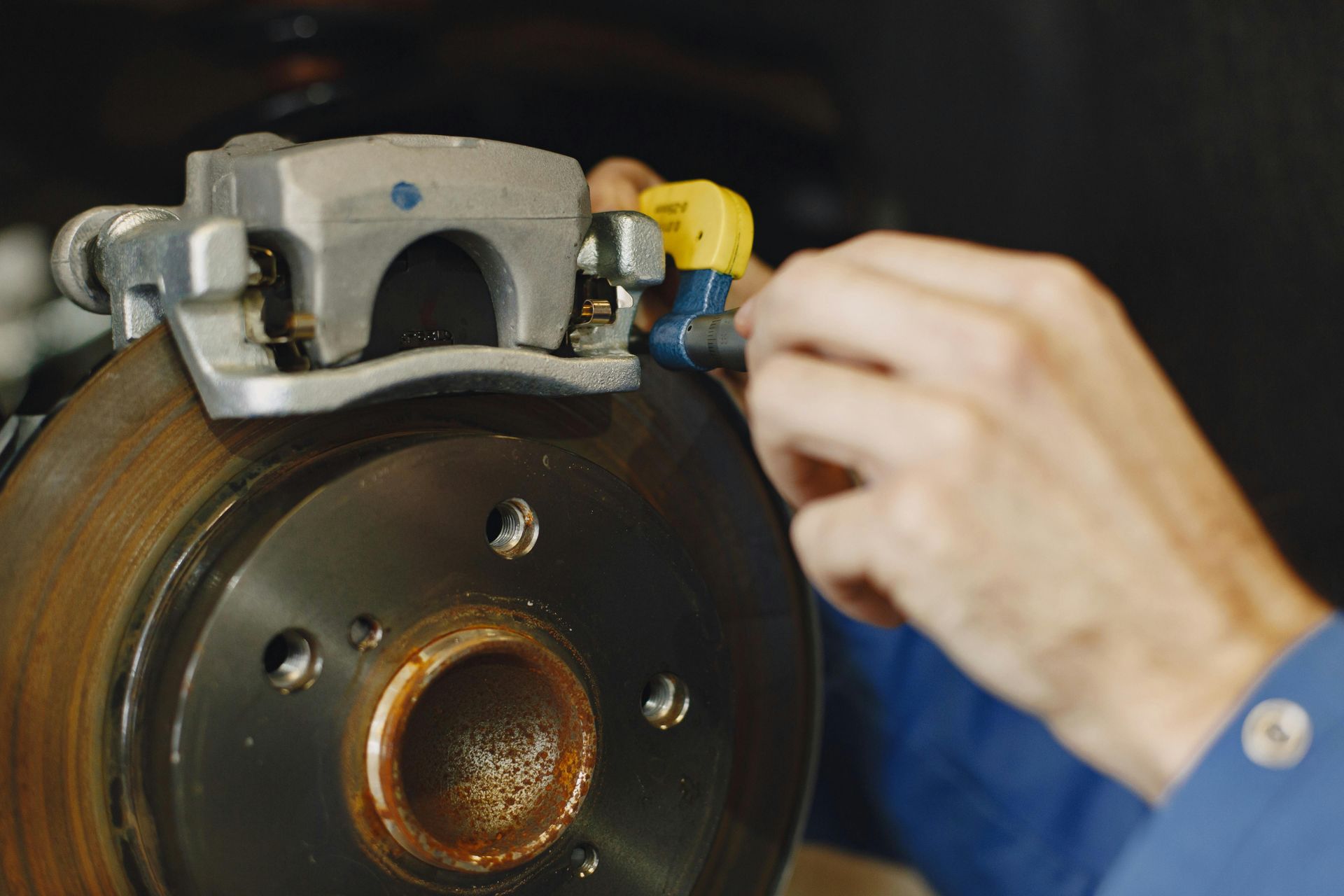
Your braking system relies on friction. When you press the brake pedal, brake pads clamp down on the brake rotors, converting motion into heat and slowing the vehicle. Because this process involves metal, composite materials, and extreme temperatures, some noise is inevitable.
Brake squeal usually occurs when vibrations form between the brake pad and rotor. These vibrations resonate at high frequencies, producing the familiar squealing or screeching sound.
1. Worn Brake Pads
One of the most common causes of brake squeal is worn brake pads.
Most modern brake pads include a wear indicator, a small metal tab designed to make noise when the pad material becomes too thin. When the pad wears down, this tab contacts the rotor and creates a high‑pitched squeal. This sound is intentional—it’s your brakes warning you that it’s time for service.
Ignoring this noise can lead to metal‑on‑metal contact, rotor damage, and much more expensive repairs.
2. Brake Dust Buildup
Brake pads naturally shed material as they wear, creating brake dust. Over time, dust can accumulate on the pads, rotors, and calipers.
This buildup can cause squealing, especially during light braking or when driving at low speeds. Vehicles with high‑performance or semi‑metallic brake pads are particularly prone to brake dust and noise.
A professional brake cleaning and inspection can often eliminate this type of squeal.
3. Moisture, Rain, or Humidity
If your brakes squeal first thing in the morning or after it rains, moisture may be the culprit.
Overnight condensation or rain can cause a thin layer of rust to form on the brake rotors. When you first apply the brakes, the pads scrape this surface rust away, sometimes creating a squealing or squeaking noise. This type of noise usually disappears after a few stops and is generally harmless.
However, persistent moisture‑related noise may indicate other issues worth inspecting.
4. Cold Weather and Temperature Changes
Brake squeal is more common in colder temperatures. Cold weather can cause brake components to contract slightly, changing the way the pads contact the rotors.
Some brake pad materials, especially performance‑oriented compounds, are noisier when cold and quiet down once they warm up. This is often considered normal and doesn’t necessarily indicate a problem.
5. Glazed Brake Pads or Rotors
Glazing occurs when brake pads or rotors overheat, causing their surfaces to harden and become smooth. This can happen due to aggressive driving, frequent hard stops, or riding the brakes.
Glazed surfaces reduce friction and can lead to squealing, vibration, and reduced braking performance. In some cases, resurfacing or replacing the pads and rotors is necessary to restore proper function.
6. Low‑Quality or Incorrect Brake Pads
Not all brake pads are created equal. Low‑quality pads or pads not designed for your specific vehicle can squeal more frequently.
Brake pads come in different materials, including:
- Organic
- Semi‑metallic
- Ceramic
Each has its own noise characteristics. Ceramic pads tend to be quieter, while semi‑metallic pads can be louder but offer better performance in certain conditions. Using the wrong type of pad can increase noise and wear.
7. Missing or Worn Hardware
Brake systems rely on small components such as shims, clips, and anti‑rattle hardware to keep everything properly aligned and dampen vibrations.
If these components are missing, worn, or improperly installed, brake squeal is much more likely. This is why professional brake service includes replacing or servicing hardware—not just swapping pads.
8. Improper Installation
Even good brake parts can squeal if they’re not installed correctly.
Common installation issues include:
- Lack of brake lubricant on contact points
- Improper torque on caliper bolts
- Incorrect pad fitment
- Skipping break‑in (bedding) procedures
Proper installation and break‑in allow brake pads to mate evenly with rotors, reducing noise and improving performance.
9. Rotor Issues
Warped, uneven, or heavily worn rotors can also cause squealing or squeaking. Rotors with grooves, rust buildup, or excessive runout can create vibrations that lead to noise.
In these cases, replacing or resurfacing the rotors along with new brake pads is often the best solution.
When Brake Squeal Is Normal (and When It’s Not)
Usually normal:
- Brief squeal in the morning
- Noise after rain or humidity
- Occasional squeak at low speeds
- Cold‑weather squeal that goes away
Cause for concern:
- Constant squealing
- Grinding or growling noises
- Vibration or pulsing in the brake pedal
- Reduced braking performance
- Noise that gets worse over time
How to Prevent Brake Squeal
While not all brake noise can be eliminated, you can reduce the chances by:
- Using high‑quality brake parts
- Having brakes professionally installed
- Replacing pads before they wear too thin
- Keeping brake components clean
- Following recommended maintenance intervals
Regular brake inspections help catch small issues before they turn into major problems.
Final Thoughts
Brake squeal is common, but it’s not something you should ignore. Sometimes it’s harmless and temporary, but other times it’s an early warning sign that your brakes need attention. Understanding the causes can help you decide when to monitor the noise and when to schedule an inspection.
If your brakes are squealing consistently or you’re unsure what’s causing the noise, stop by Lakeview Automotive in Moore and we’ll take a look.
Address: 205A Smith Rd, Moore, SC 29369
Phone:
(864) 486-8889