Top Reasons Why Brakes Squeal at Low Speeds?
Hearing your brakes squeal when you’re slowly pulling into a parking space or creeping through traffic can be annoying and confusing. Many drivers notice that the noise only happens at low speeds and disappears once they’re driving faster. This is actually a very common brake complaint—and in many cases, it’s completely normal.
Understanding why brakes squeal at low speeds can help you know when the noise is harmless and when it’s time to have your brakes inspected.
Low‑Speed Braking Creates More Vibration
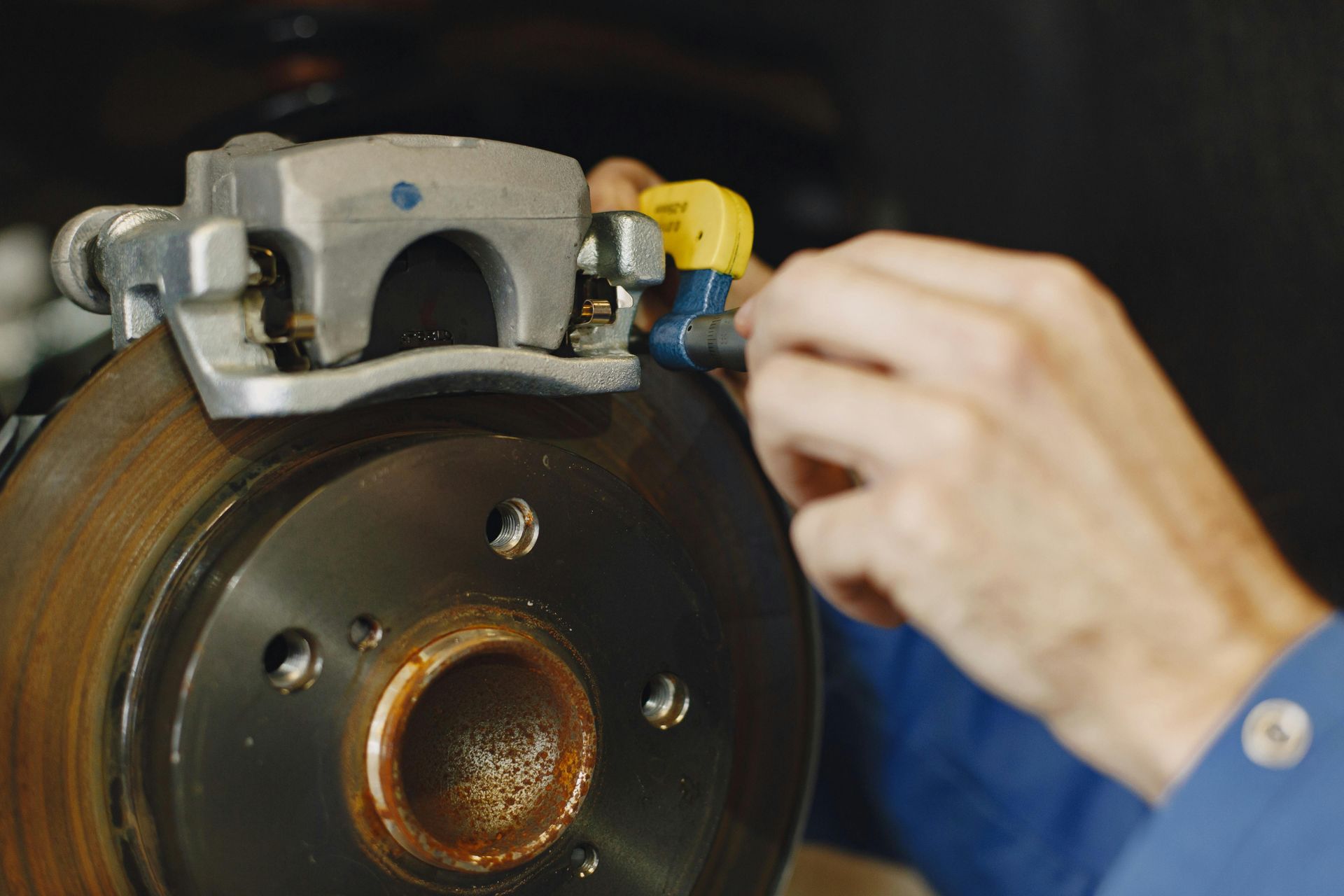
Brake squeal is caused by vibration between the brake pads and rotors. At low speeds, braking forces are lighter and less consistent, which allows these vibrations to occur more easily.
When you brake harder at higher speeds, the pads clamp more firmly against the rotors, reducing movement and often eliminating the noise. That’s why squealing is most noticeable when gently braking at low speeds.
Brake Pad Material Matters
Certain brake pad materials are more prone to squealing at low speeds.
Semi‑metallic pads are durable and perform well under heat, but they tend to squeal more, especially during light braking.
Performance pads are designed for strong stopping power and may be noisier in everyday driving.
Ceramic pads are usually quieter, but even they can squeal in certain conditions.
If your vehicle was fitted with performance‑oriented pads, low‑speed squeal may simply be part of the trade‑off.
Brake Dust Buildup
Brake pads naturally shed material as they wear, creating brake dust. This dust can accumulate on the pads and rotors, especially if the vehicle is driven mostly in stop‑and‑go traffic.
At low speeds, this buildup can cause the pads to vibrate against the rotors, resulting in a squealing or chirping sound. Regular brake inspections and cleanings can help reduce this type of noise.
Moisture and Light Surface Rust
Low‑speed squealing often happens after rain, humidity, or overnight parking. Moisture can cause a thin layer of surface rust to form on the rotors.
When you apply the brakes gently at low speeds, the pads scrape across this rust, sometimes producing a squeal. After a few normal stops, the rust typically wears off and the noise disappears.
Glazed Brake Pads or Rotors
Glazing occurs when brake components overheat, causing their surfaces to harden and smooth out. Glazed pads and rotors don’t grip as evenly, which can lead to squealing—especially during light braking at low speeds.
Glazing can result from aggressive driving, riding the brakes, or improper break‑in of new brake pads.
Worn or Missing Brake Hardware
Brake systems use small parts like anti‑rattle clips and shims to control movement and reduce noise. If these components are worn, damaged, or missing, the pads can vibrate more easily during low‑speed braking.
This type of squeal usually won’t go away on its own and should be addressed during a brake inspection.
When Low‑Speed Brake Squeal Is Normal
Low‑speed brake squeal is often considered normal if:
- The brakes were recently replaced
- The noise only occurs during gentle braking
- The squeal goes away when braking harder
- There are no vibrations or performance issues
When to Have Your Brakes Checked
You should schedule a brake inspection if:
- The squeal is loud and constant
- You hear grinding or scraping noises
- The brake pedal vibrates
- Braking performance feels reduced
Final Thoughts
Brakes squealing at low speeds is usually caused by pad vibration, brake material, moisture, or minor surface issues. In many cases, it’s more of an annoyance than a safety concern. However, persistent or worsening noise shouldn’t be ignored.
Address: 205A Smith Rd, Moore, SC 29369
Phone:
(864) 486-8889