Who Is Responsible When Autonomous Cars Fail to Stop?
Imagine you are riding in a semi-autonomous vehicle on a stretch of highway near Spartanburg and the car simply does not stop in time. No driver error, no distraction, no missed warning sign. The system just failed. Who is responsible for what happens next? That question is no longer hypothetical. It is being argued in courtrooms, investigated by federal regulators, and debated by engineers, lawmakers, and insurance companies right now. And the answer, it turns out, is far more complicated than most drivers realize.
NHTSA Is Already Raising the Alarm
The National Highway Traffic Safety Administration has been actively investigating automated emergency braking system failures across multiple manufacturers for several years. These investigations have examined cases where AEB systems either failed to engage when they should have, engaged unexpectedly at highway speeds, or behaved inconsistently in real-world conditions that differed from controlled testing environments.
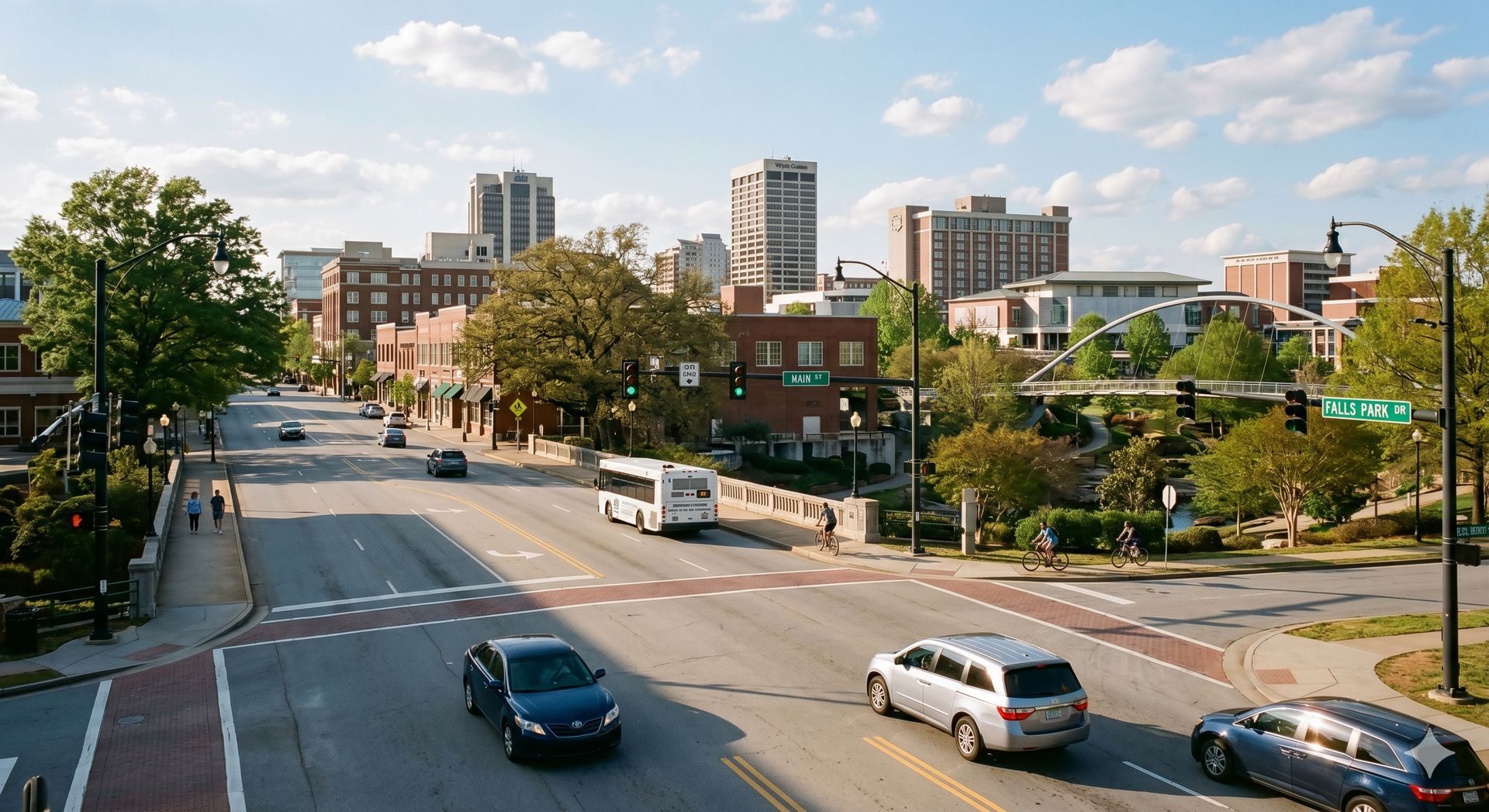
In one ongoing area of scrutiny, NHTSA has looked at how AEB systems perform in low-light conditions, during adverse weather, and in scenarios involving stationary objects or slow-moving vehicles. The results have been sobering. Systems that perform exceptionally well in standardized testing have shown meaningful performance gaps when exposed to the unpredictable conditions of actual roads. Rain-slicked highway ramps, the glare of a late afternoon sun on I-85 heading toward Gaffney, or a pedestrian stepping off a curb near downtown Spartanburg represent exactly the kind of edge cases that continue to challenge automated braking technology.
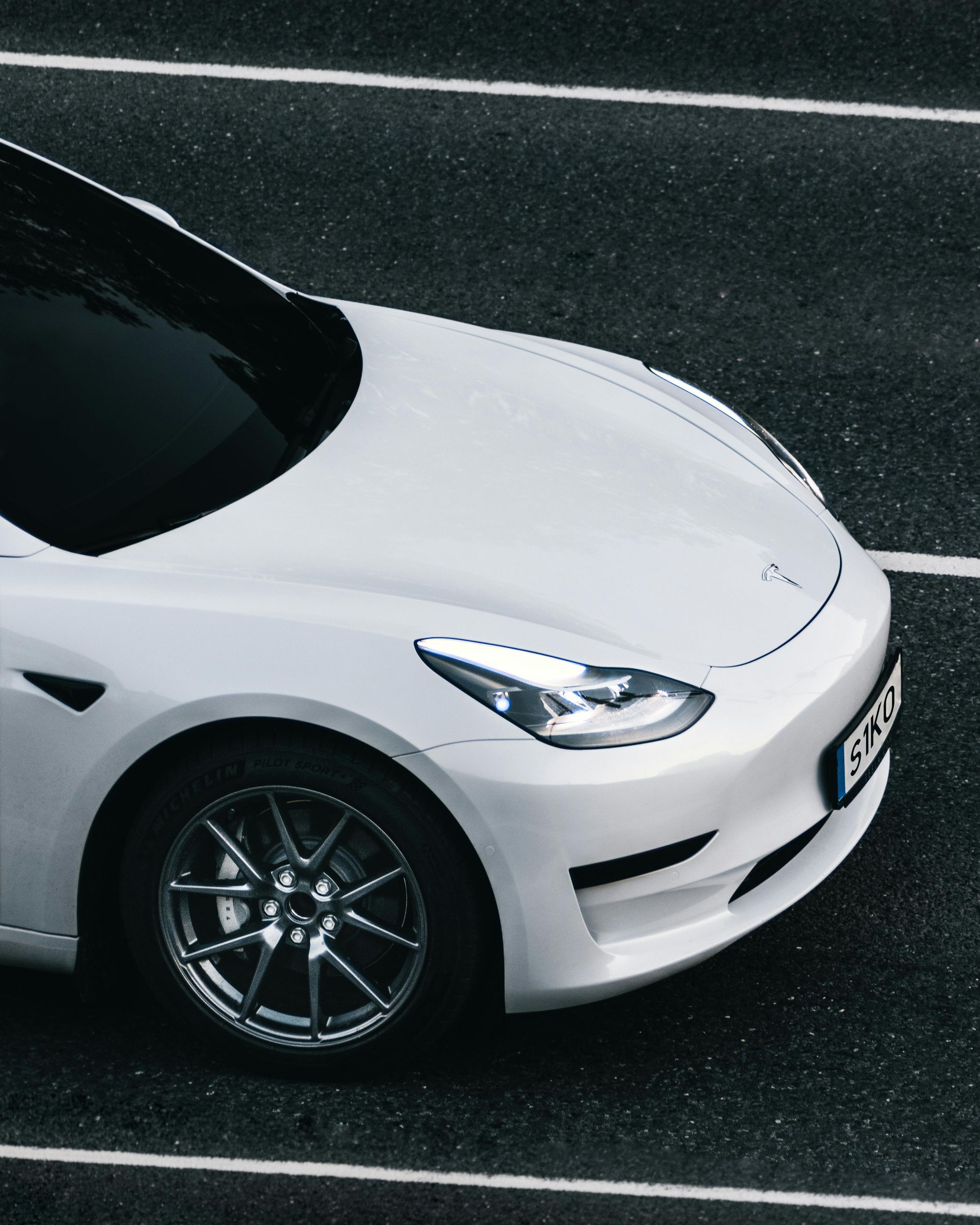
What makes this particularly relevant for everyday drivers is that many of these vehicles are already on public roads. You do not need to own a fully autonomous vehicle to be affected by these issues. Partial automation features like adaptive cruise control, automatic emergency braking, and collision mitigation systems are now standard or available on a wide range of new vehicles at every price point.
The Liability Question Has No Clean Answer Yet
When a human driver causes an accident due to brake failure, the legal framework is relatively well established. Liability may fall on the driver, the repair shop that serviced the vehicle, or the parts manufacturer if a defective component was involved. But when an autonomous or semi-autonomous system fails to stop and a collision occurs, that framework starts to fracture.
Is the manufacturer liable because the software failed? Is the owner liable because they did not maintain the physical braking hardware that the system depends on? Is the dealership responsible for a software update that altered system behavior? Legal scholars and insurance professionals are actively wrestling with these questions and in many jurisdictions the answers remain genuinely unsettled.
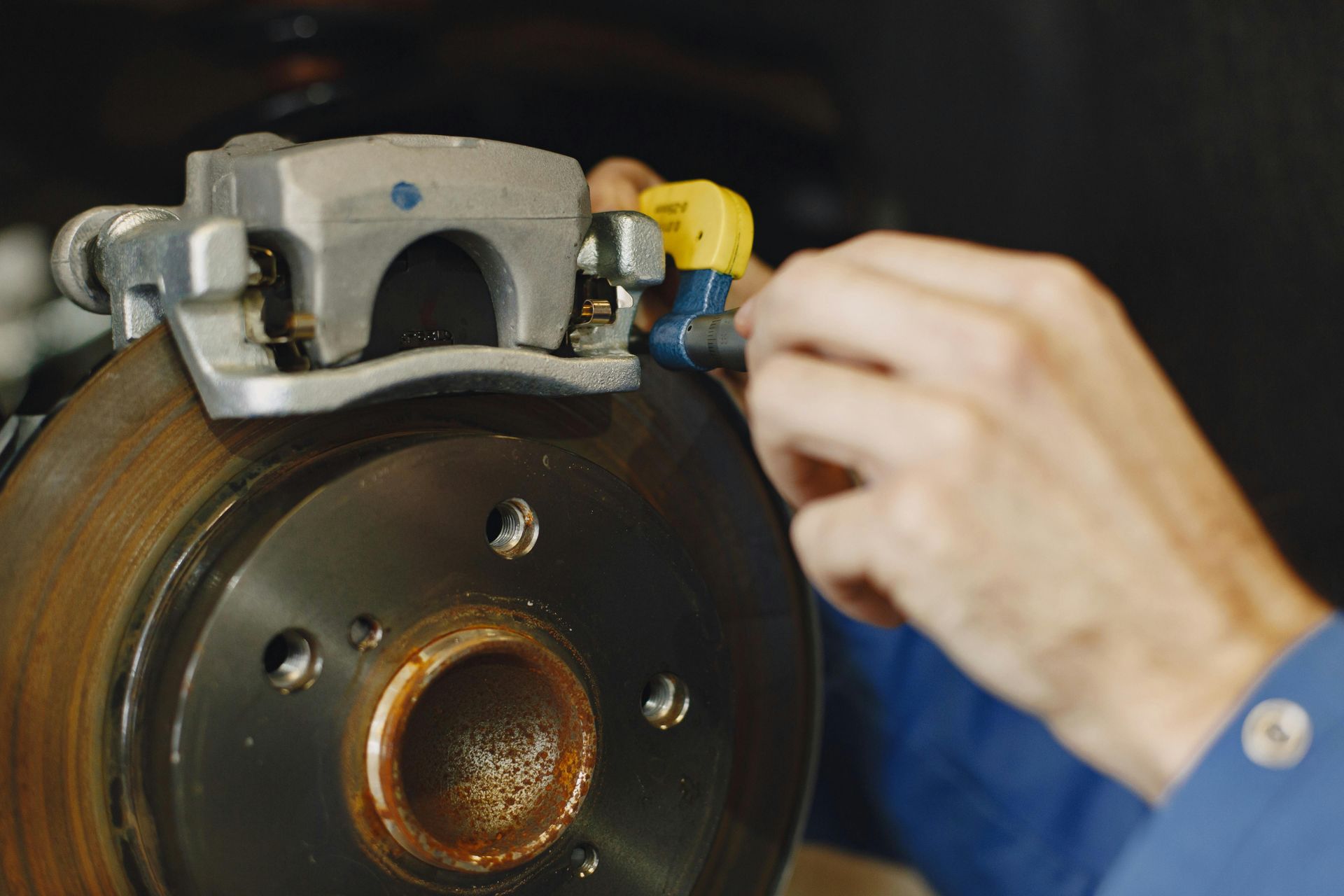
What we do know from a mechanical standpoint is this. Every automated braking system, regardless of how sophisticated its software may be, ultimately depends on the physical brake components to execute the stop. Sensors can detect a hazard and a processor can send the braking command in milliseconds, but if the brake pads are worn, the calipers are compromised, or the fluid has degraded, the system cannot deliver the stopping power it was designed to provide. The technology initiates the stop. The hardware completes it.
What This Means for Vehicle Owners Right Now
The conversation around autonomous vehicle liability is important and ongoing, but it should not distract from a practical reality that applies to every driver on the road today. Regardless of how much automation your vehicle has, you remain responsible for maintaining the physical systems that automation depends on.
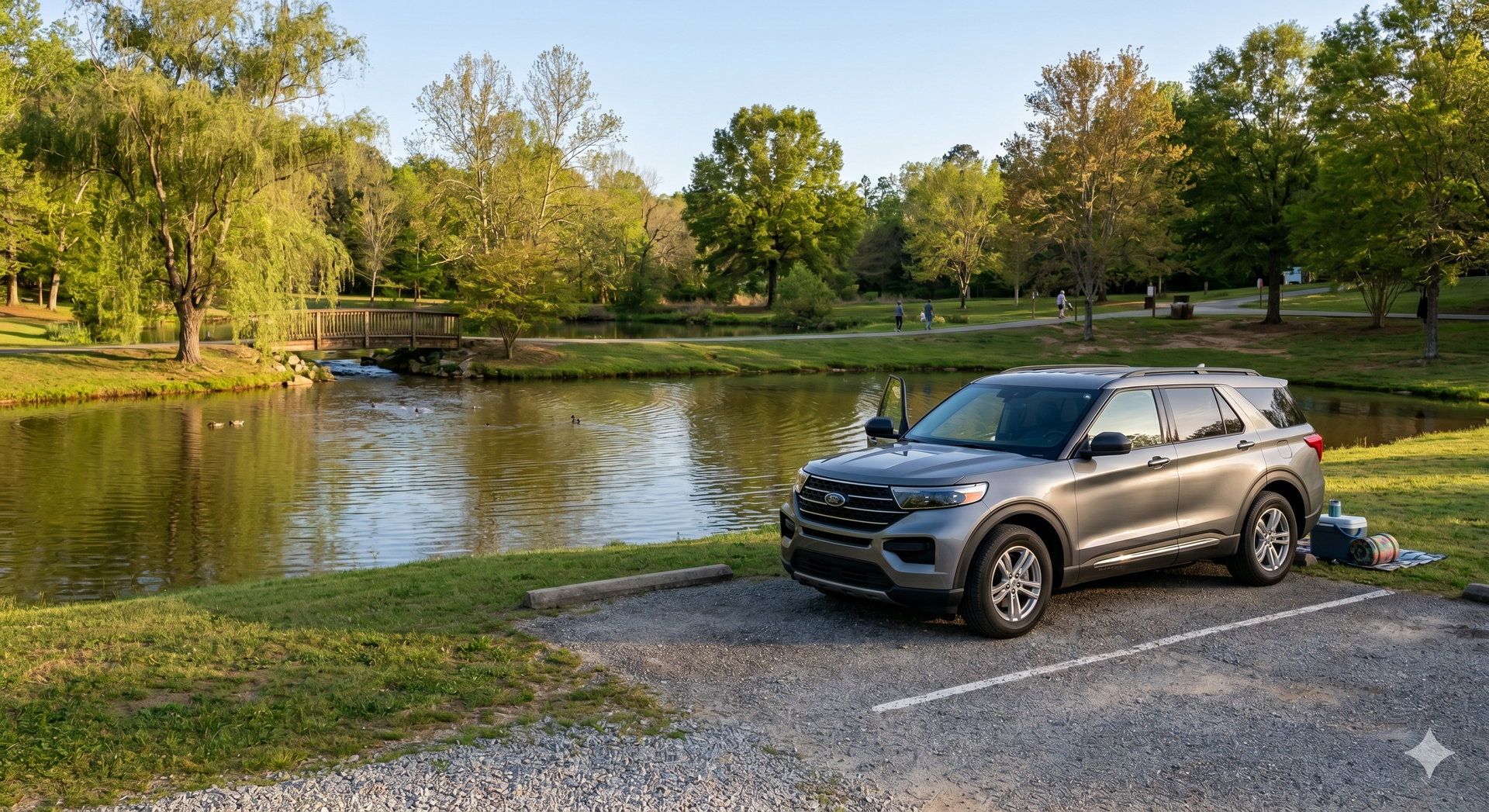
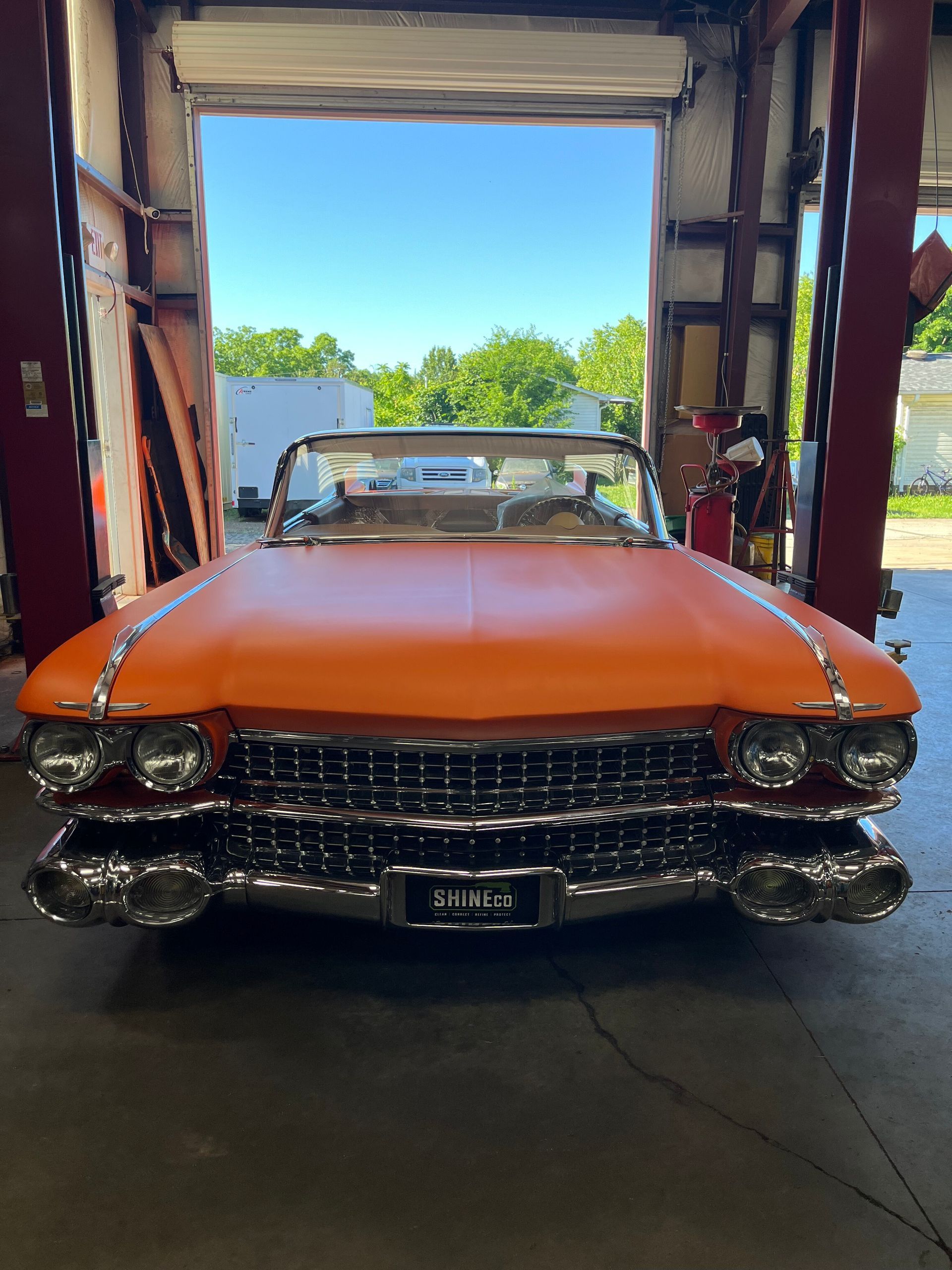
We work on a wide range of vehicles in the Moore and Spartanburg area, from older model trucks to newer SUVs loaded with driver-assist technology. One of the most consistent things we observe is that drivers with more automated features are sometimes less attentive to traditional maintenance items like brake inspections. There is a psychological tendency to assume that a technologically advanced vehicle is managing its own health. It is not. It is monitoring certain parameters and alerting you to certain thresholds, but it is not replacing the judgment of a trained technician doing a physical inspection.
The Role of the Independent Shop in an Autonomous Future
As vehicles become more automated, the role of the independent repair shop becomes more important in certain ways, not less. We serve as the human checkpoint that technology cannot replicate. We can identify a brake hose that is beginning to soften internally, a rotor with heat cracking that a sensor would never flag, or a caliper that is applying uneven pressure in ways that will compromise any automated system trying to use it.
When the car fails to stop, the investigation will eventually come down to the condition of the hardware. Make sure yours is never the weak link in that chain.
Contact Us
Address:
205A Smith Rd, Moore, SC 29369
Phone:
(864) 486-8889
Hours: Mon-Fri 8:00 AM to 5:00 PM