What Tesla Brake Recalls Reveal About Every Driver's Safety Assumptions
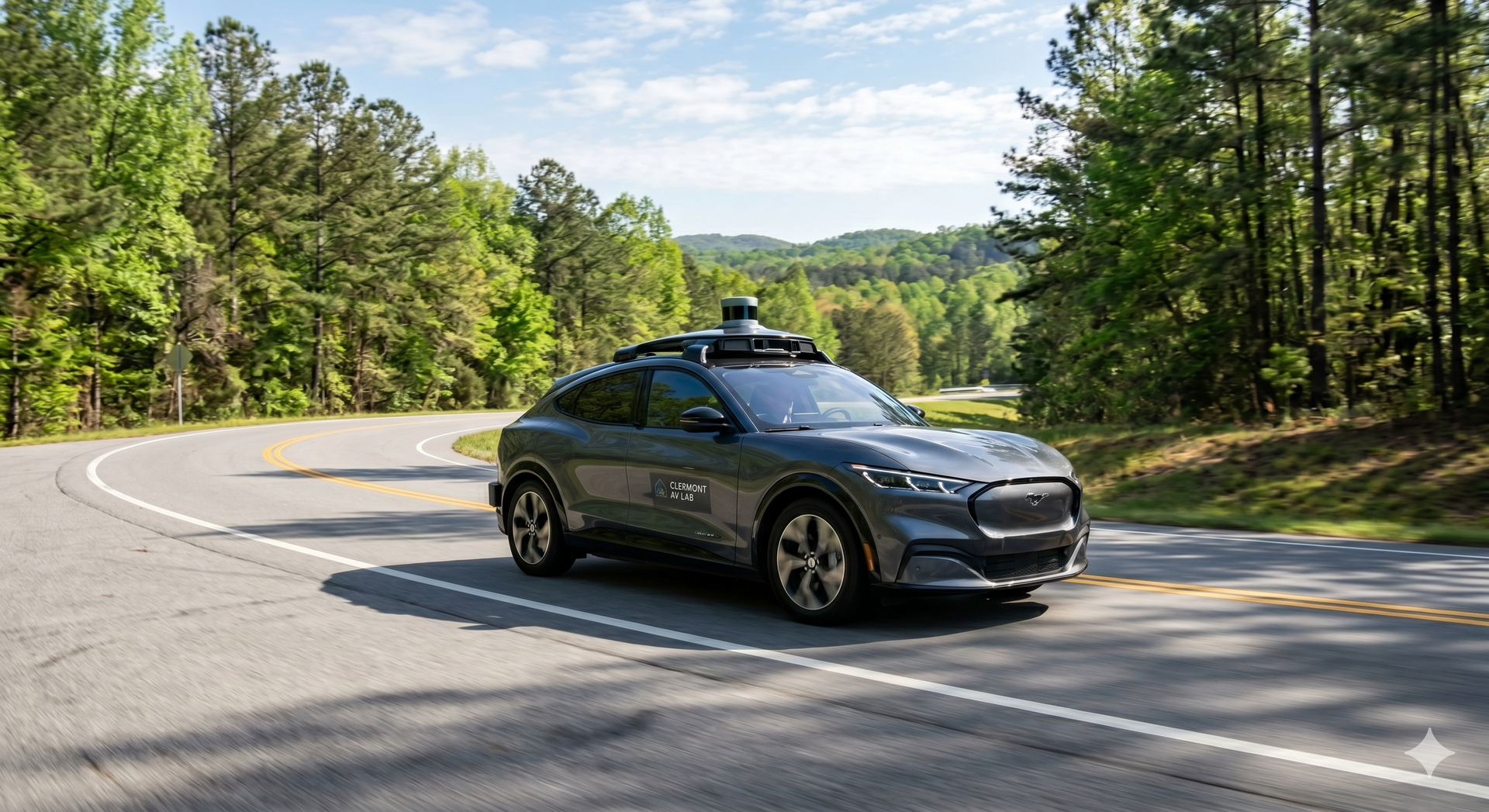
Tesla has built its reputation on being the most technologically advanced consumer vehicle on the road. Autopilot, over-the-air software updates, automatic emergency braking, and a suite of driver-assist features that can feel closer to science fiction than a daily commute. So when Tesla issued a recall affecting hundreds of thousands of vehicles due to brake assist and stability control software problems, it sent a message that extended far beyond Tesla owners. It was a reminder that no matter how sophisticated a vehicle becomes, the physical braking system underneath all that technology still has to work perfectly every single time.
What the Tesla Recall Actually Involved
In recent years Tesla has faced multiple recall actions tied to braking system behavior. One of the more significant involved a software error that could cause the automatic emergency braking system to activate unexpectedly, creating rear-end collision risks. Another involved regenerative braking calibration issues that affected stopping distances in ways drivers were not anticipating. The National Highway Traffic Safety Administration has been increasingly active in scrutinizing how software-controlled braking systems behave in real-world conditions, and Tesla has not been the only manufacturer caught in that spotlight.
Ford, GM, and several other major automakers have faced similar scrutiny over automated braking system performance in recent years. The pattern across all of these cases points to the same underlying tension that we think every driver should understand. Software can fail, update incorrectly, or behave in ways engineers did not fully anticipate. When that software is connected to your ability to stop a two-ton vehicle, the stakes could not be higher.
The Gap Between What Technology Promises and What Physics Requires
Driver-assist technology is genuinely impressive and we are not here to dismiss it. Automatic emergency braking has demonstrably reduced certain types of collisions. Lane assist, adaptive cruise control, and electronic stability programs have all made driving safer in measurable ways. But here is what those systems cannot do. They cannot compensate for a brake pad worn down to the metal. They cannot override a caliper that is sticking and causing uneven braking force. They cannot restore a brake rotor that has been warped by heat stress from repeated hard stops on a long descent.
The sensors and software that power these systems assume the underlying physical braking components are in sound working condition. That assumption is baked in at the engineering level. If your brake pads are compromised, the automatic emergency braking system will still try to engage, but it will be working with a degraded foundation. The result may be a stopping distance that is far longer than the system was designed to deliver.
We see this disconnect play out in our shop regularly. Drivers come in with newer vehicles, sometimes vehicles with fewer than 40,000 miles, who have been confident their car would warn them if something was wrong. In some cases it did. In others, the brake wear indicator had been ignored or the wear pattern was uneven in a way the onboard system did not flag. Technology provides a layer of awareness, but it is not a substitute for a trained eye and a hands-on inspection.
Why This Matters for Drivers in the Spartanburg Area
Whether you are navigating the stop-and-go traffic around the Westgate Mall corridor, merging onto I-85 near Duncan, or making a long highway run up toward Tryon, your braking system is doing work that your driver-assist features are only partially aware of. The roads in Upstate South Carolina include a mix of highway speeds, tight residential turns, and variable weather conditions that put real demand on brake hardware.
Relying on a dashboard warning light or an automated system to tell you when your brakes need attention is not a maintenance strategy. It is reactive at best and dangerous at worst. A professional brake inspection looks at pad thickness, rotor condition, caliper function, brake fluid integrity, and hardware wear in ways that no onboard system currently replicates.
What a Proper Brake Inspection Actually Covers
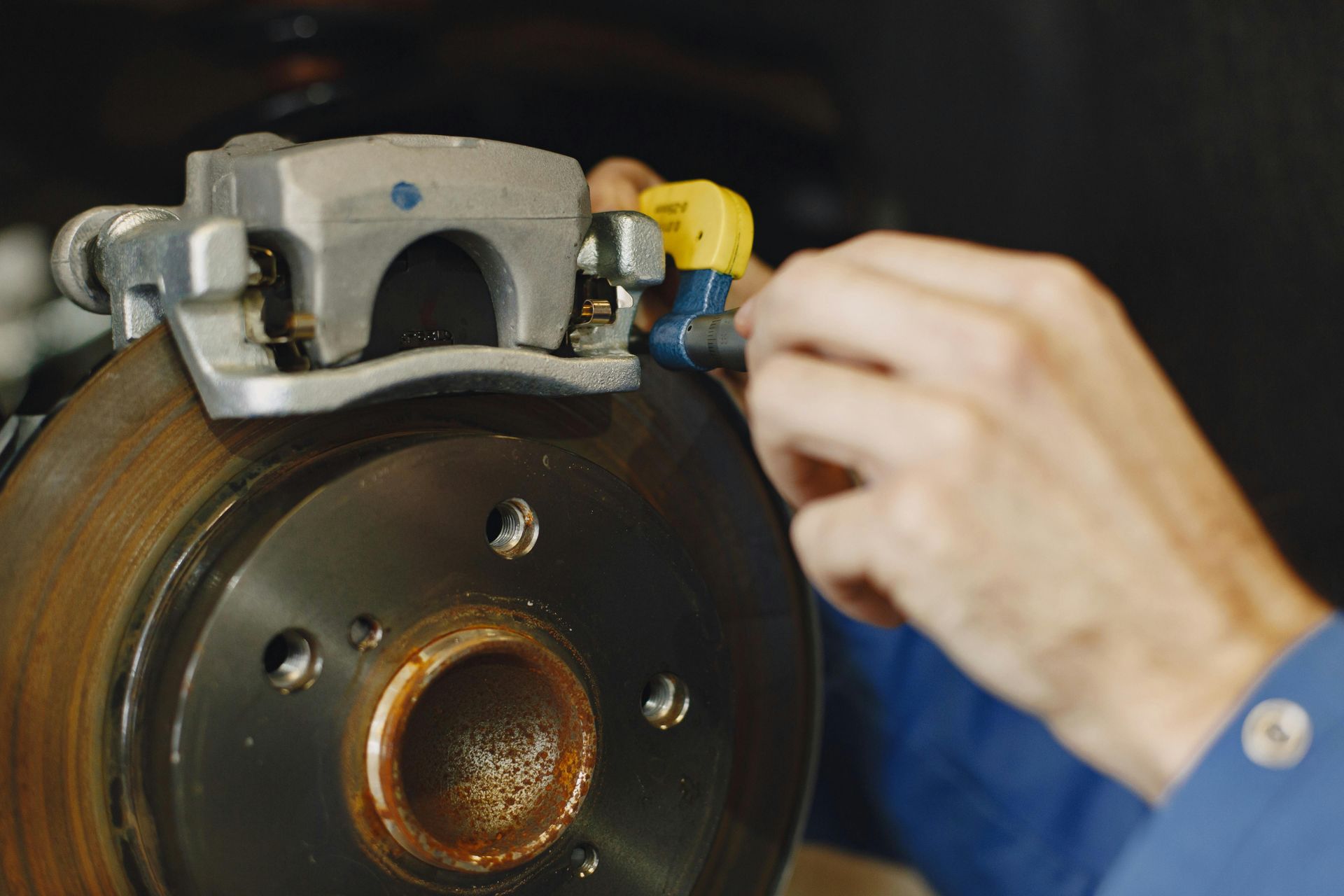
When we inspect a braking system, we are measuring pad depth with precision tools, checking rotors for thickness variation and heat damage, testing caliper slide pins for corrosion and free movement, evaluating brake hoses for internal collapse, and assessing fluid moisture content. That is the kind of comprehensive review that gives you an accurate picture of where your braking system actually stands, not where a software algorithm estimates it to be.
Do not let confidence in your vehicle's technology substitute for knowing the physical condition of your brakes. Schedule an inspection and get the real answer.
Contact Us
Address:
205A Smith Rd, Moore, SC 29369
Phone: (864) 486-8889
Hours: Mon-Fri 8:00 AM to 5:00 PM